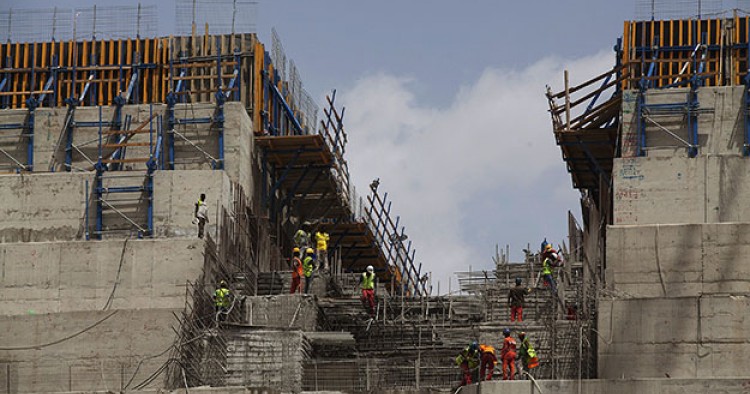
Construction cranes are rising across Addis Ababa, commercial farms are expanding in regional states , and industrial projects are scaling faster than ever. Yet for project managers and entrepreneurs, securing the right heavy machinery remains a logistical nightmare filled with hidden costs, unreliable equipment, and costly downtime. The traditional rental model is broken.
Where there is friction, there is massive opportunity. By shifting toward integrated digital ecosystems, the industry is finally solving problems that have persisted for decades.
In this guide, we break down the primary challenges facing equipment rental in Ethiopia today and explore the innovative solutions driving the sector forward.
I. The Challenges: Why Traditional Rental Is Failing
1. The Information Gap and Lack of Transparency
Project managers often waste hours — or even days — calling multiple vendors to compare prices and specifications for the same machine.
- The Reality: There is no standard pricing model. Two suppliers might quote vastly different rates for a 20-ton excavator, often influenced by “availability” or personal connections rather than clear market value.
- The Cost: This opacity leads to budget overruns and distorts fair competition.
2. Machinery Reliability and Maintenance Risks
Renting a machine without knowing its service history is a gamble. In many cases, equipment is pushed hard until it breaks, with scheduled maintenance treated as optional.
- The Reality: Substandard upkeep results in sudden mid-project failures.
- The Cost: A single day of downtime for a crane or bulldozer can easily run into tens of thousands of birr in lost labor, idle crews, and missed deadlines — a burden that compounds quickly on tight project timelines.
3. The Last-Mile Logistics Nightmare
Moving a massive excavator, bulldozer, or specialized harvester requires specialized trailers, permits, and expert coordination — far beyond standard delivery.
- The Reality: Many rental providers do not include transport in their quotes. The “hidden cost” of getting the machine to site often surprises renters.
- The Cost: Transport delays ripple through the entire project schedule, turning minor hiccups into major setbacks.
4. Shortage of Skilled Operators
A powerful machine is only as effective as the person running it. Finding a high-quality excavator is one challenge; securing a certified, experienced operator who respects both the equipment and the site is another.
- The Reality: The rental market often operates in isolation from skilled labor networks.
- The Cost: Improper operation increases safety risks, accelerates wear and tear, and raises the chance of costly damage.
II. The Solutions: Building a Smarter Ecosystem
The industry is moving away from fragmented “rental shops” toward integrated digital marketplaces that address the full lifecycle of equipment use.
1. Centralized Digital Discovery
The answer to the information gap is a single, verified platform where users can instantly filter by machine type, capacity, horsepower, and rental duration.
- The Fix: Compare models like CAT and Komatsu side-by-side with transparent pricing and real user reviews.
- The Benefit: Procurement time shrinks from days to minutes.
2. Service-Linked Rentals
Why rent just the iron when you can rent a complete solution? Modern platforms now bundle machines with essential support services.
- The Fix: Connect renters directly with certified operators and on-site maintenance teams. In Ethiopia’s context, this includes professionals familiar with local conditions and regulations.
- The Benefit: Project managers eliminate separate staffing headaches and reduce emergency repair risks.
3. Spare Parts Integration
Breakdowns are inevitable, but long delays no longer have to be.
- The Fix: An integrated spare parts marketplace allows quick identification and dispatch of components (such as a hydraulic seal), with mechanics sent from the nearest available point.
- The Benefit: Repairs that once took a week can now be completed in 24 hours or less.
4. Smart Logistics and Tracking
Advanced tools like GPS and IoT sensors bring visibility to every step.
- The Fix: Built-in logistics modules automatically coordinate delivery, real-time tracking, and pickup.
- The Benefit: You know exactly where your machine is and when it will arrive — enabling true just-in-time project planning.
III. The HuluCart Advantage: Your All-in-One Ecosystem
This is exactly what HuluCart delivers — an all-in-one digital platform built to professionalize Ethiopia’s industrial sector. By connecting heavy machinery, agricultural equipment, spare parts, and expert services in one place, HuluCart removes the friction that slows businesses down.
- For Construction Firms: Get the crane, a certified operator, and supporting services with just a few clicks.
- For Farmers: Rent a harvester for the season knowing that maintenance and parts support are built in.
- For Equipment Owners and Entrepreneurs: List your fleet and reach a much wider audience of serious renters and buyers across Ethiopia and beyond.
IV. Conclusion: The Path Forward
The challenges in Ethiopia’s equipment rental sector — transparency, reliability, logistics, and skilled support — are real, but they are solvable through better connectivity. When the owner of a machine is seamlessly linked with the person who needs it, backed by parts availability and expertise, the entire ecosystem wins.
The future of industrial growth in Ethiopia is not only about bigger machines — it’s about smarter, more connected platforms that save time, reduce risk, and accelerate progress.
Are you ready to power your next project with confidence? Visit HuluCart today and experience the future of equipment rental.
This post is part of our commitment to driving innovation in Ethiopia’s construction, agriculture, and industrial markets. For more technical insights and industry updates, subscribe to our newsletter.